


The year 2026 has arrived, and every time the summer season comes, it brings many problems along with it. People spend almost four months struggling in extreme heat, and many are unable to tolerate it because temperatures have increased so much over the years. What is even more worrying is that scientists and environmental experts believe this heat will continue to rise in the coming years if humans do not take serious action now. This is not just a seasonal problem anymore; it is becoming a global environmental crisis that is affecting humans, animals, farming, water resources, and even the air we breathe.
Is this a good sign for us? Absolutely not. Rising temperatures are dangerous not only for humans but also for every living being on Earth. Summer already creates many difficulties in daily life, but now the heat has become so intense that people who work outside under direct sunlight suffer the most. Construction workers, farmers, delivery workers, street vendors, and laborers face extreme conditions every day. Heatwaves are becoming more common, and every year thousands of people fall sick because of dehydration, heatstroke, and lack of clean water.
The environment is also changing rapidly because of this heat. Rivers and ponds dry faster during summer, groundwater levels continue to fall, and many areas face water shortages. In villages and farming regions, people have already started noticing that rainfall is not as regular as it used to be. Some places receive very little rain, while others experience sudden floods. This imbalance directly affects farming and food production. If crops do not get proper weather and enough water, farmers face heavy losses. In the future, this can create food shortages and increase the prices of essential items for everyone.
One important thing I personally noticed is that places with more trees and plants feel cooler compared to areas filled only with concrete buildings and roads. Whenever I stand near old trees, especially large mango trees, the air feels cooler and fresher. This simple observation helped me understand that nature itself gives us the solution to many environmental problems. Trees not only provide shade but also help reduce temperatures, improve air quality, and maintain moisture in the environment. They absorb harmful carbon dioxide and release oxygen, which is necessary for every living being.
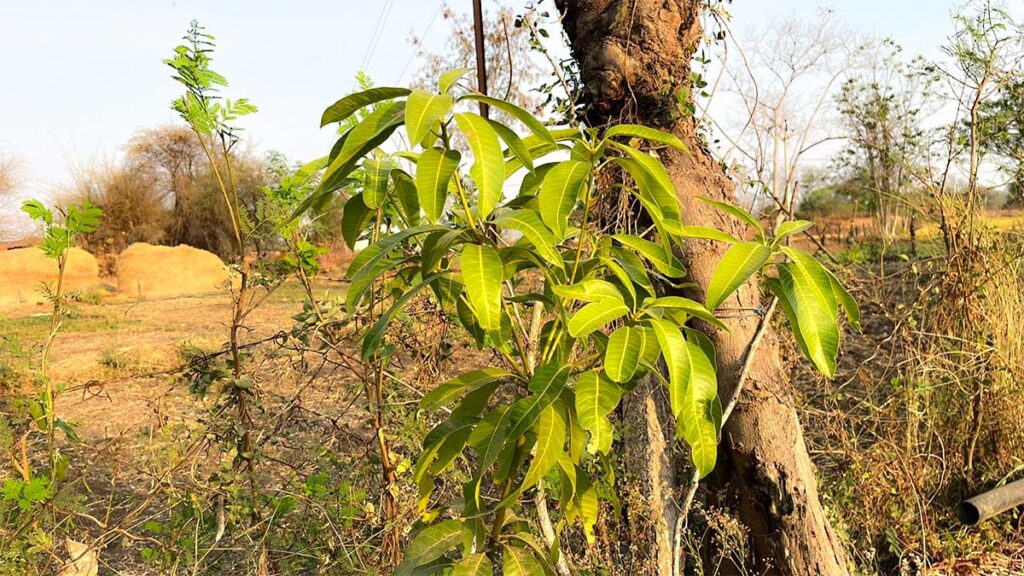
Because of this understanding, I decided to take a small but meaningful step myself. We have several farming fields, and recently I planted 16 mango trees there. Right now, this number may seem small, but my goal is to increase the number of trees in the future. I planted mango trees because I have personally experienced the cool environment around old mango trees. Their shade and fresh air make a huge difference during hot summer days. I planted these saplings during winter because winter provides better moisture and weather conditions for young plants to grow properly. Every day, I watered these plants carefully because plants, just like humans, need regular care to survive and grow strong.
Many people today talk about climate change on social media, but very few actually take action in real life. Planting even one tree and protecting it properly is more valuable than only discussing environmental problems online. A tree planted today can help future generations tomorrow. If every family plants a few trees and takes responsibility for protecting them, the impact can become very powerful over time.
The government also needs to focus seriously on environmental improvement instead of depending mainly on air conditioners and artificial cooling systems. Air conditioners may cool rooms, but they do not solve the actual environmental problem. In fact, excessive use of ACs increases electricity consumption and releases more heat into the environment, making cities even hotter. Instead of only increasing cooling systems, governments should focus on planting trees, protecting forests, improving water conservation systems, and creating green areas in cities and villages.
Rainfall has already become weaker in many farming regions compared to earlier years. This situation is very dangerous for farmers because crops require balanced temperatures, water, and healthy soil conditions. If temperatures continue to rise, crop production may decrease heavily. The condition of water sources is also becoming alarming. Earlier, water could easily be found in borewells, ponds, and hand pumps, but now groundwater levels have gone much deeper. During summer, many places face severe water shortages, and this problem may become worse in the future if proper steps are not taken now.
Another major issue is the cutting of large trees. Today, huge machines can cut down decades-old trees within minutes. A tree that took 20 or 30 years to grow can disappear in just 10 minutes. This is one of the biggest reasons why temperatures are increasing so rapidly. Development is important, but destroying nature completely for roads, buildings, and industries will create bigger disasters in the future. Forests are not only home to animals and birds; they also help maintain rainfall, temperature balance, and oxygen levels.
In my opinion, excessive concretization is also a serious problem. Nowadays, most houses, buildings, and roads are made using cement and concrete. Concrete absorbs heat from sunlight and stores it for a long time, which makes surrounding areas much hotter. This is why cities often feel far warmer than villages with open land and trees. Areas filled with cement and tall buildings create what experts call a “heat island effect,” where temperatures remain high even during the night. Lack of greenery makes this situation worse.
People who work inside air-conditioned offices may not fully understand the suffering of those who work outside in direct sunlight every day. Farmers, laborers, traffic police officers, street vendors, and daily wage workers face the harsh reality of rising heat continuously. Their health, energy, and lives are directly affected by environmental changes. This is why environmental protection should not be treated as an optional issue anymore. It is directly connected to human survival and quality of life.
The good thing is that we still have time to improve the situation if everyone works together. Planting trees, saving water, reducing unnecessary pollution, protecting forests, and spreading awareness can create a positive change over the next few years. Schools, colleges, local communities, and governments should organize tree plantation drives regularly. Children should also be taught from an early age about the importance of nature and environmental balance.
If we continue ignoring these warning signs, future generations may face extreme heat, water scarcity, droughts, and serious health problems. But if we act responsibly today, we can still create a better and healthier future. Just as we take care of our own bodies and health, we must also take care of the environment around us. A healthy environment means cleaner air, better rainfall, cooler temperatures, healthier crops, and a more peaceful life for everyone. Only then will people truly be able to live comfortably and sleep peacefully in the future.