


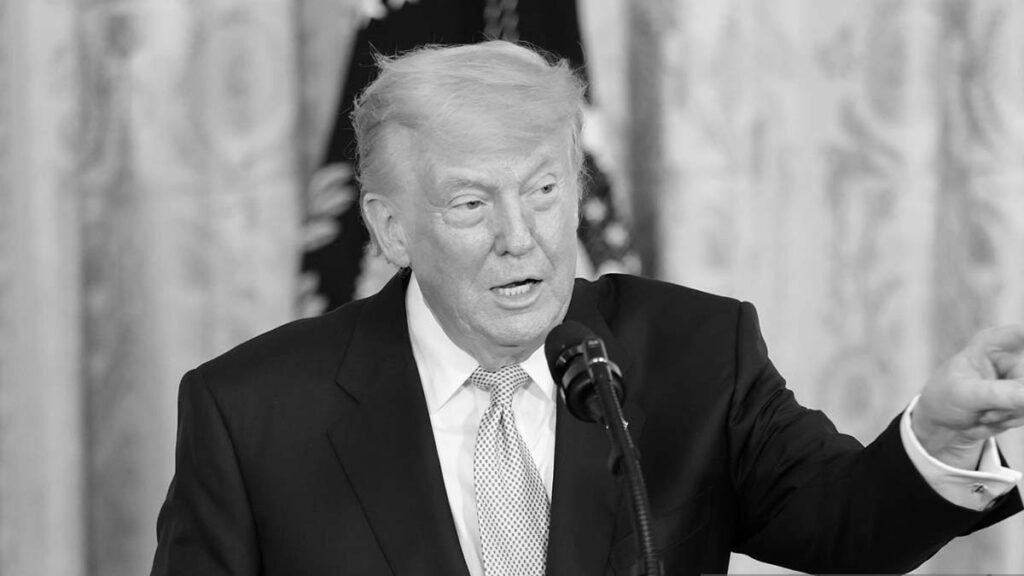
President Donald Trump expressed confidence Wednesday that a deal with Iran remains “very possible” following productive recent discussions, but he issued a clear warning: failure to reach an agreement could lead to renewed and more intense U.S. military strikes.
Speaking to reporters, Trump highlighted “very good talks over the last 24 hours” and suggested progress toward ending the conflict that has roiled the Middle East. He emphasized that Iran must meet key U.S. demands, including restrictions on its nuclear program, reopening the Strait of Hormuz for international shipping, and addressing broader security concerns in the region.
“If Iran agrees to give what has been agreed to, the war would be over,” Trump stated. However, he added that without a deal, “the bombing would resume at a much higher level and intensity.” This carrot-and-stick approach reflects the administration’s strategy of combining diplomacy with credible military deterrence.
According to WSJ, The current talks come against the backdrop of heightened tensions, including prior U.S. and Israeli military actions aimed at degrading Iran’s nuclear capabilities, missile programs, and support for regional proxies. The Trump administration has consistently maintained that any agreement must be stronger than the 2015 Joint Comprehensive Plan of Action (JCPOA), which Trump withdrew from during his first term, calling it fundamentally flawed.
U.S. objectives reportedly include preventing Iran from ever acquiring a nuclear weapon, limiting uranium enrichment, securing the handover or neutralization of existing stockpiles, and curbing destabilizing activities across the Middle East. Iran has reviewed proposals but signaled resistance to terms it views as overly demanding.
Israeli Prime Minister Benjamin Netanyahu has remained closely engaged with the Trump administration. Israeli officials have expressed concerns about potential concessions in the deal and continue to stress the need for ironclad guarantees against Iran’s nuclear ambitions. Netanyahu has coordinated regularly with U.S. counterparts, emphasizing that Israel’s security red lines, particularly the complete dismantling of Iran’s enrichment infrastructure, must not be compromised.
Iranian officials, including chief negotiators and President Masoud Pezeshkian, have pushed back against what they describe as attempts to force “surrender.” Iran has indicated it is reviewing the latest U.S. proposal but insists on protecting its sovereignty and has warned against continued military threats.
European leaders have generally welcomed pauses in hostilities and called for sustained diplomacy. British Prime Minister Keir Starmer noted the potential for relief in the region while urging efforts to reopen the Strait of Hormuz and achieve a lasting agreement. Other EU voices, including from Germany and France, have emphasized de-escalation to stabilize global energy markets and prevent wider conflict.
Gulf states and other regional actors have expressed varied positions, with many prioritizing the security of shipping lanes and an end to proxy conflicts that have disrupted the area.
A successful deal could lower energy prices by stabilizing oil flows through the Strait of Hormuz, reduce the risk of broader regional war involving U.S. forces, and address long-standing threats from Iranian-backed groups. However, skepticism remains high in Washington and among U.S. allies about Tehran’s willingness to comply long-term.
Critics of diplomacy argue that past agreements only delayed Iran’s nuclear progress, while supporters of a tough negotiating stance believe maximum pressure combined with realistic talks offers the best path forward.
As talks continue, the Trump administration appears determined to avoid a prolonged conflict while refusing to accept a weak outcome. The coming days will test whether optimism translates into a verifiable agreement or if military options return to the forefront. Americans will be watching closely as this high-stakes diplomacy unfolds, with implications for U.S. security, the economy, and global stability.
This analysis draws from public statements and reporting as of May 7, 2026. Developments in fast-moving negotiations can change rapidly.